National Home Exchange
BackNational Home Exchange: An In-Depth Analysis of an Alternative Vacation Experience
Nationale Huizenruil (National Home Exchange), based in Amsterdam, presents itself as an attractive alternative to the traditional holiday market. The concept is simple and enticing: temporarily swap your home with someone else's and enjoy a holiday without any accommodation costs. This model positions itself directly against the established order of hotels , vacation apartments , and expensive resorts , promising a more authentic and significantly more affordable travel experience. But how does this platform work in practice, and what are the actual advantages and disadvantages for consumers seeking a different kind of accommodation?
The Concept and the Method
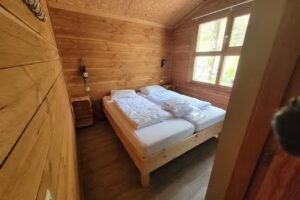
To participate in the National Home Exchange platform, users must register and pay an annual fee of €55. After paying, members can create a detailed profile of their home, complete with photos and a description. This profile serves as a showcase to attract other potential exchange partners. The website primarily focuses on exchanges within the Netherlands, making it an attractive option for shorter holidays or weekend getaways within the Netherlands. The communication process is initially anonymized. Members express interest by sending a "virtual flower." Only when the interest is mutual and flowers are returned are contact details such as email addresses exchanged to make further arrangements. This system is designed to protect members' privacy until there is a serious chance of a match.
The Assumed Benefits
The appeal of National Home Exchange is considerable and rests on several pillars. The most striking advantage is the financial savings. By completely eliminating the cost of lodging , a vacation budget is freed up for other purposes, such as activities, dinners, or even an extra vacation. Members can exchange unlimited times within their annual membership, further increasing the potential value.
Another key advantage is the authenticity of the experience. Instead of staying in an impersonal hotel room, a home exchange offers the chance to live like a local. You'll stay in a fully furnished house, often with more space and amenities than a standard Posada or Hostería . Think of a fully equipped kitchen, a comfortable living room, and often extras like bicycles, toys for children, or a garden. Your exchange partner can also provide valuable local tips about the area, something a commercial resort can rarely match.
Critical Comments and Potential Drawbacks
Despite the clear advantages, there are important caveats and potential drawbacks that prospective home exchangers should be aware of. One significant point of criticism, as highlighted in a user review, concerns the timeliness of the listings. The reviewer noted that some listings listed outdated exchange periods (e.g., from 2016 or 2018), which calls into question the platform's reliability and maintenance. This can lead to frustration and wasted effort when users respond to listings that are no longer relevant. It raises the question of how actively the platform is managed and maintained.
Another inherent risk is uncertainty. Unlike booking a Departamento or a Villa through a commercial provider, a successful exchange is not guaranteed. Finding a suitable match requires flexibility in both destination and timing. You're dependent on someone wanting to come to your place of residence at the exact time you want to go to theirs. This process can be time-consuming and requires a proactive approach. Investing the €55 membership fee does not guarantee a successful exchange.
Trust and Safety
The concept of home exchange is fundamentally based on mutual trust. After all, you're letting a stranger into your home, with access to your personal belongings. While most experiences are positive and exchangers treat each other's belongings with respect, this remains a barrier for many. The platform facilitates contact, but the final agreement and arrangements, such as handing over the keys and leaving the property, are the responsibility of the exchangers themselves. This is a stark difference from the security offered by a professionally managed albergue or hostal , which often has staff and insurance.
Who is National Home Exchange Suitable for?
Considering the pros and cons, National Home Exchange isn't the ideal vacation solution for everyone. The platform seems best suited for adventurous and flexible travelers who are open to a different kind of vacation. It's ideal for those who want to reduce the costs of traditional alojamiento and don't mind putting in the effort to organize an exchange themselves. Families, in particular, benefit from the space and amenities available, such as toys and multiple bedrooms, eliminating the need for a cluster of separate accommodations .
Potential users, however, must be comfortable with a certain degree of uncertainty and be willing to invest in communicating with potential exchange partners. Criticism of the outdated ads suggests it's advisable to carefully monitor a profile's activity before pinning too much hope on a specific exchange. It's a platform that rewards proactiveness, but where patience is a virtue. It's not a "click-and-book" solution like those used to when booking Cabañas or other vacation rentals .
National Home Exchange offers a valuable and potentially very rewarding concept for a specific group of travelers in the Netherlands. The opportunity to find virtually free hospedaje in an authentic, homely environment is a powerful selling point. The benefits, such as significant cost savings and a unique local experience, are undeniable. However, the platform's effectiveness hinges on the quality and timeliness of its listings. Reported issues with outdated listings are a serious concern that can undermine the user experience. Potential clients must weigh the initial investment of membership against the risk that finding a suitable and up-to-date exchange partner can be challenging. It's a unique form of alojamiento that, if successful, can deliver an unforgettable vacation, but it requires a different mindset and more effort than the traditional tourism sector.